Threshold Magic: Why Doorways Have Always Been Sacred
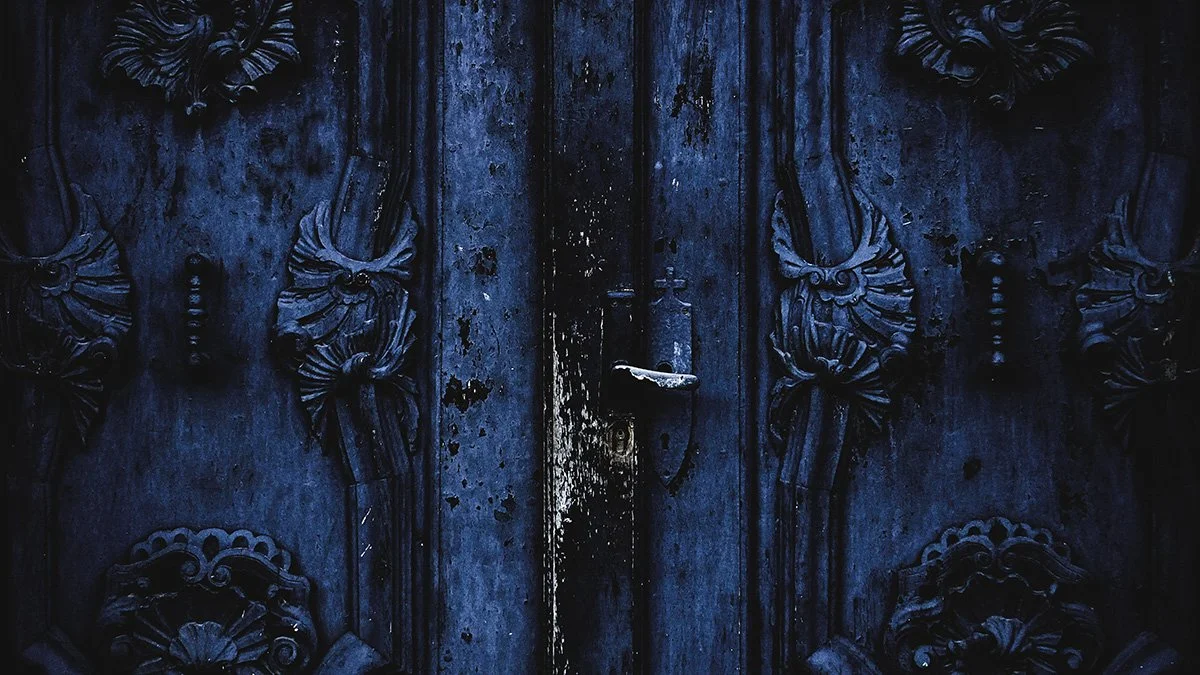
Every day, we cross dozens of thresholds without thinking.
We step through the front door after work. We walk from one room to another. We enter gardens, forests, churches, shops, and homes.
To us, a doorway is simply a way to get from one place to another.
But for thousands of years, people believed a threshold was much more than an entrance.
It was a place between worlds.
A space where one reality ended and another began.
Long before modern architecture, our ancestors understood that transitions carried power. Crossing a threshold meant leaving something behind while stepping into something unknown. These in-between spaces became places of blessing, protection, ritual, and even caution.
Perhaps they still are.
What Is a Threshold?
A threshold is more than a physical doorway.
It is any place that exists between one state and another.
The shoreline between land and sea.
Twilight between day and night.
The first day of spring.
A crossroads.
A bridge.
Even moments in our lives can become thresholds. Marriage, grief, parenthood, moving to a new home, changing careers, or beginning a spiritual path all represent passages from one version of ourselves into another.
Ancient cultures understood that transformation rarely happened in the destination.
It happened in the crossing.
Why Doorways Were Considered Sacred
Throughout history, homes were viewed as living spaces that deserved protection. The doorway marked the boundary between the safety of the home and the unpredictability of the outside world.
Many cultures believed that blessings and misfortune entered through the same opening.
This made the threshold one of the most spiritually significant places in a home.
Across Europe, people hung herbs above doorways to ward off harmful influences. In parts of Scandinavia, iron was placed near entrances to repel unwanted spirits. In Jewish tradition, the mezuzah was affixed to the doorpost as a sacred reminder of faith and protection. Ancient Romans honored Janus, the two-faced god of doorways, beginnings, and endings, asking for his blessing whenever they crossed into a new chapter.
Different traditions.
One shared understanding.
Doorways mattered.
The Folklore of Never Standing in the Doorway
Many old superstitions warn against lingering in a doorway.
In parts of Eastern Europe, it was considered unlucky to shake hands across a threshold. In other traditions, standing too long in a doorway invited confusion or conflict because you were neither fully inside nor outside.
While these beliefs vary from culture to culture, they share a fascinating theme.
Thresholds were never meant to be permanent places.
They were places of transition.
The lesson feels surprisingly relevant today.
How often do we remain suspended between old habits and new beginnings?
Between fear and courage?
Between dreaming and doing?
Perhaps we spend more time standing in symbolic doorways than we realize.
Liminal Spaces and the Magic of the In-Between
Modern folklore often uses the word liminal to describe places that exist between defined states.
Empty hallways.
Fog-covered forests.
Deserted train stations.
Twilight skies.
These places often feel mysterious because they remind us that not everything fits neatly into categories.
Thresholds are inherently liminal.
They invite uncertainty.
And uncertainty has always been fertile ground for spiritual growth.
Many magical traditions consider liminal moments especially potent for meditation, divination, and personal reflection because the usual boundaries between the ordinary and the symbolic feel softer.
Protection at the Threshold
Protecting the entrance to the home is one of humanity's oldest spiritual practices.
People have used:
rosemary for remembrance and protection
rowan branches to ward off harmful influences
salt sprinkled near entrances
bells to clear stagnant energy
horseshoes for good fortune
candles to welcome warmth and guidance
Whether rooted in religion, folklore, or family tradition, these rituals share a simple intention.
May all who enter do so in peace.
May what does not serve remain outside.
Creating Your Own Threshold Ritual
You do not need to follow an ancient tradition to make your doorway meaningful.
Choose a moment when you are entering your home after a long day.
Pause before stepping inside.
Take one slow breath.
Imagine leaving behind the stress, frustration, or worry you have been carrying.
Then cross the threshold intentionally.
You might light a candle once inside, touch the doorframe in gratitude, or simply whisper:
"I enter this space with peace."
Small rituals repeated with intention become anchors.
Over time, your doorway transforms from an ordinary entrance into a place of conscious transition.
Every Beginning Has a Threshold
Perhaps this is why thresholds continue to fascinate us.
They remind us that change rarely happens all at once.
There is always a moment before.
Before the first step.
Before the first word.
Before the new chapter begins.
That quiet pause deserves recognition.
The threshold asks only one thing of us.
Cross with intention.
Doorways are among the oldest sacred spaces we encounter every day.
They ask us to notice the moments between what was and what will be. They remind us that transformation often begins long before we reach our destination.
The next time you place your hand on a doorknob, pause for just a heartbeat.
Notice the space beneath your feet.
Take a breath.
Then step forward.
You may be crossing more than a doorway.