Ostara: The Magic of Balance and the Awakening of Spring
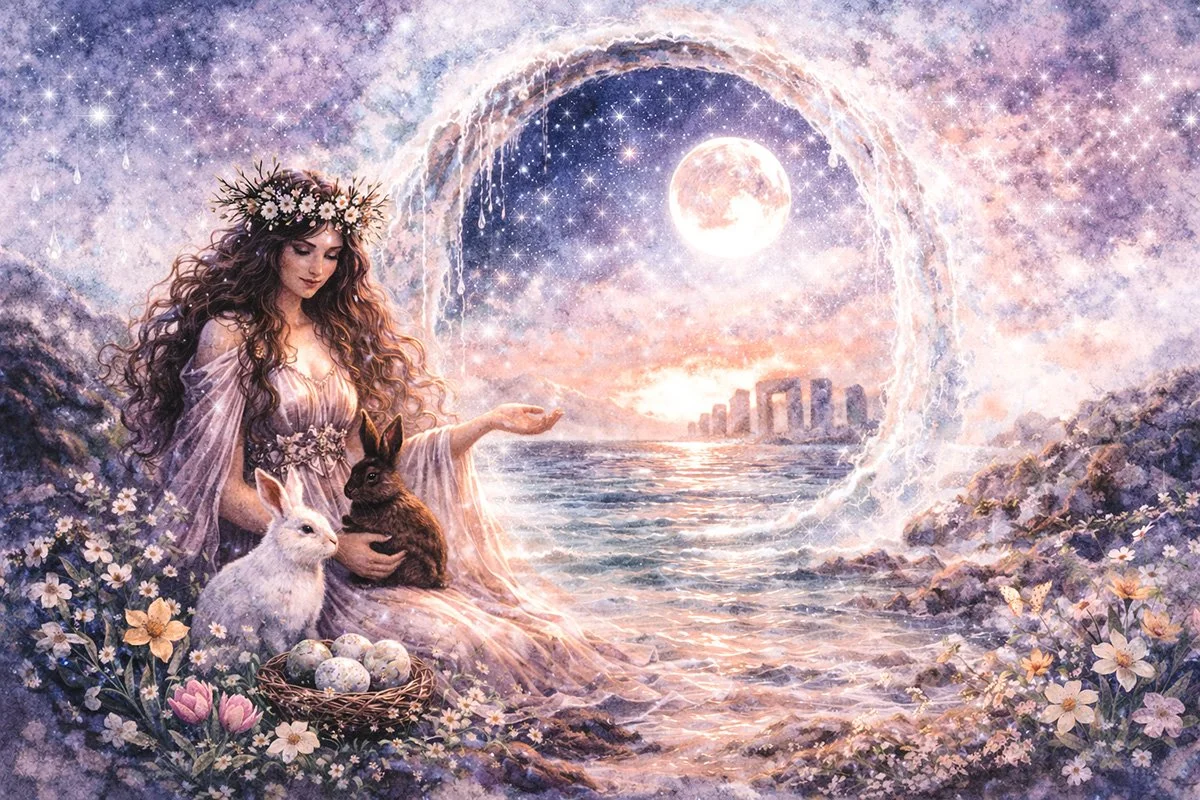
As the wheel of the year turns, the earth arrives at a moment of perfect balance.
Around March 20 or 21, the spring equinox brings equal hours of daylight and darkness. Winter loosens its grip. Light and warmth begin their steady return. This sacred moment is known in many modern pagan traditions as Ostara, a festival that celebrates renewal, fertility, and the awakening of life.
Ostara is not in full bloom yet. It is the threshold. A quiet turning point where possibility begins to take shape.
The Meaning of the Spring Equinox
The spring equinox marks a moment of equilibrium. For a brief time, day and night hold equal power before the light slowly begins to dominate the sky.
Spiritually, this balance carries powerful symbolism. It reminds us that growth requires harmony between opposing forces. Rest and action. Darkness and illumination. Reflection and movement.
After the long introspection of winter, Ostara invites us to begin stepping forward again.
But gently.
The energy of this season is about emergence, not urgency.
The Origins of Ostara
The name Ostara is often connected to the Germanic goddess Eostre, a deity associated with dawn, fertility, and the renewal of life. Though historical records about Eostre are limited, her symbolism has become deeply tied to the themes of the spring equinox.
Many traditions across cultures celebrate similar seasonal transitions during this time of year. Ancient agricultural societies recognized the equinox as the beginning of the growing season. It marked the return of planting, abundance, and the promise of nourishment.
Over time, these seasonal celebrations evolved into the symbols we still associate with spring today.
Symbols of Ostara
Many of the symbols connected with Ostara reflect fertility, rebirth, and the fragile beginnings of life.
Eggs
Eggs represent potential and new life. Just like a seed beneath the soil, they contain the promise of growth waiting to emerge.
Rabbits and Hares
Hares and rabbits have long been associated with fertility due to their rapid reproduction and springtime activity.
Flowers
Early spring flowers such as crocuses, daffodils, and violets symbolize the earth awakening from winter dormancy.
Seeds
Seeds are perhaps the most powerful symbol of this season. They remind us that growth begins small and often invisible.
Spiritual Themes of Ostara
Ostara carries the energy of new beginnings, but not in the bold, fiery way of later spring. Instead, it invites quiet optimism.
This is a time for:
planting intentions
restoring balance in your life
nurturing creativity
reconnecting with nature
welcoming gentle growth
After months of inward focus, Ostara encourages us to turn outward again slowly.
Simple Ways to Celebrate Ostara
Honoring Ostara does not require elaborate rituals. The magic of this festival lives in simple acts of connection with the season.
Spend Time Outdoors
Notice what is changing in the natural world around you. Even small signs of spring carry powerful meaning.
Plant Seeds
Whether in a garden or a small pot indoors, planting seeds is a symbolic act of hope and intention.
Decorate with Spring Symbols
Eggs, flowers, candles, and fresh greenery can transform a space into a celebration of the returning light.
Reflect on Balance
Consider where your life feels out of alignment. Ostara is a powerful moment to restore equilibrium between work and rest, giving and receiving, effort and ease.
The Quiet Promise of Spring
Ostara reminds us that renewal does not happen overnight.
The first flowers push carefully through cold soil. New life emerges slowly, testing the air before fully unfolding.
This season teaches patience with our own growth. The intentions we plant now will take time to develop.
Just like the earth itself, we are waking up again.
The spring equinox is a sacred pause in the cycle of the year.
For a moment, light and dark stand as equals. Winter’s wisdom remains, while the promise of spring begins to rise.
Ostara invites us to honor this balance. To welcome new beginnings without rushing them. To trust that growth is already underway, even if it is still hidden beneath the surface.
The wheel has turned again.
And the light is returning.